More Than Sleep: Nighttime Defense Against Tumor Growth
Dear Friends,
Hello and welcome back!
Today we discuss the next item in our “Cancer Fighters” series, dedicated to exploring the most promising medications, supplements, and natural compounds studied for their potential anti-cancer benefits. As a Senior Fellow and proud member of the Independent Medical Alliance, I owe a debt of gratitude to Dr. Marik and others as they have advanced the state of knowledge in this area. My aim is to take the most prominent interventions from our IMA protocols and explain them in a way that makes them accessible and actionable.
What if you had a hormone — released according to a daily rhythm — that had significant anti-cancer effects?
Melatonin is exactly that: what most people think of as a simple sleep aid is, in fact, a powerfully active hormone with tremendous benefit for cancer.
The Body’s Natural Night Watchman
(Or, Why melatonin is much more than a sleep aid…)
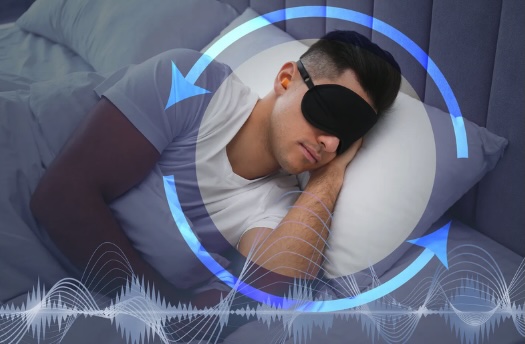
Melatonin is produced primarily in the pineal gland of the brain in response to darkness. This nightly surge doesn’t just prepare us for rest — it orchestrates cellular repair, DNA maintenance, and antioxidant defense while we sleep.
Did you know that disruption of circadian rhythm (such as shift work) has been shown to be a contributing factor to cancer progression and development?
Now, why would that be the case? Because every night, melatonin is performing quiet, behind-the-scenes work to inhibit cancer:
- Induces apoptosis (programmed cell death) in cancer cells
- Inhibits proliferation of cancer stem cells
- Inhibits a tumor’s ability to recruit blood vessels (aka “inhibits angiogenesis”)
- Anti-inflammatory and anti-oxidant(read more here)
- (This is helpful since inflammation and oxidative stress are processes that promote cancer.)
- Stimulates the immune system (boosts white blood cell counts and activity, especially natural killer cells) (read more here)
- Your immune system is your best defense against cancer
- This is also why melatonin is included in IMA protocols for viral infections like COVID, RSV, and flu.
- Promotes cellular recycling and renewal (“autophagy”)
- For a detailed scientific article, this one is fantastic
But wait, there’s more!
Melatonin also..
- Helps regulate blood sugar (proven to lower HgA1C in diabetics)
- And blood cholesterol
- Promotes bone density
- Protects and promotes nerve and brain health
- Thus it has a role in Alzheimer’s, Parkinson’s, and strokes (read here)
- Promotes heart and blood vessel health (read more here)
Sounding pretty good to me 🙂
A Marker of Aging
Melatonin is a biomarker of aging — meaning it’s levels steadily and predictably decline as we age. In fact, between 40s and 70s, levels drop about 70%
Natural approaches
Certain foods contain melatonin: Tart cherries/juice, grapes/wine, nuts, mushrooms, rice, oats, pineapple, oranges, bananas, kiwi.
And certain foods — rich in tryptophan — stimulate the production of melatonin in the GI tract: Eggs, dairy, fish, poultry, soy.
Supplementation?
Important fact: taking melatonin does not shut down your body’s own natural production and therefore does not make you dependent on it.
Melatonin in capsule or pill form is extensively metabolized by the liver, which means that oral bioavailability is poor; hence a sublingual formulation is better (about 3x as potent; aka 10 mg oral = 3 mg sublingual).
We always recommend an extended-release formulation (which allows for more even spread throughout the night).
Typical Dosing
Dosing for general health and wellness: 3-5 mg orally (or 1-2 mg sublingual)
Dosing for cancer: Optimal dosing is not clear. Most studies have used a dose of 20-40 mg orally at night. In patients with advanced disease, that can be increased to 60 mg with an additional 20 mg dose at midday.
Safety
Overall, melatonin is extraordinarily safe. (In fact, in animal studies, they have proven that it is impossible to kill the animal no matter how much melatonin you give!)
Cautions:
- Grogginess the next morning: melatonin and cortisol exist in a yin-yang relationship, in which one rises as the other falls: In the morning, melatonin should be falling and cortisol rising. But if you take too much melatonin (and/or if you have adrenal problems, aka low cortisol), then this ratio is thrown out of balance.
- In animal studies it inhibits fertility (read here).
- Should be used cautiously and sparingly in children.
So there we are, friends — a fantastic natural option for stimulating your immune system, reducing inflammation and oxidative stress, and killing cancer cells — all while getting some better Zzzzzz.
With Very Best Wishes For Your Health and Wellness,
I Remain,
Very Truly Yours,
Dr. Turner