
Pain is one of the most misunderstood experiences in modern health. Most people treat it like an enemy -a signal to silence, suppress, or avoid. But modern neuroscience tells a very different story. Pain is not a simple reflection of damage. It is an intelligent alarm system created by the brain, designed to protect you.
This single shift in understanding changes everything. It’s the foundation of how I help patients break free from chronic pain and regain powerful, confident movement.

Pain Is Not an Injury Meter — It’s an Alarm System
Research now shows that pain is a protective output, not a direct measurement of tissue damage. Your brain integrates millions of data points-past injuries, stress, sleep quality, inflammation, emotional state, even your environment- to decide whether to trigger pain.
This is why two people with identical MRIs can feel completely different levels of pain.
The best analogy: pain is a smoke alarm.
Sometimes it signals a real fire, but often it goes off because of sensitive wiring… or even burnt toast. The alarm isn’t broken- it’s doing its job. But if you don’t understand the difference, you may chase quick fixes that never solve the root of the problem.
When you learn to interpret pain accurately, the “volume” begins to turn down. You move with more certainty. You train with more confidence. And you stop negotiating with symptoms that were designed to protect you, not limit you.
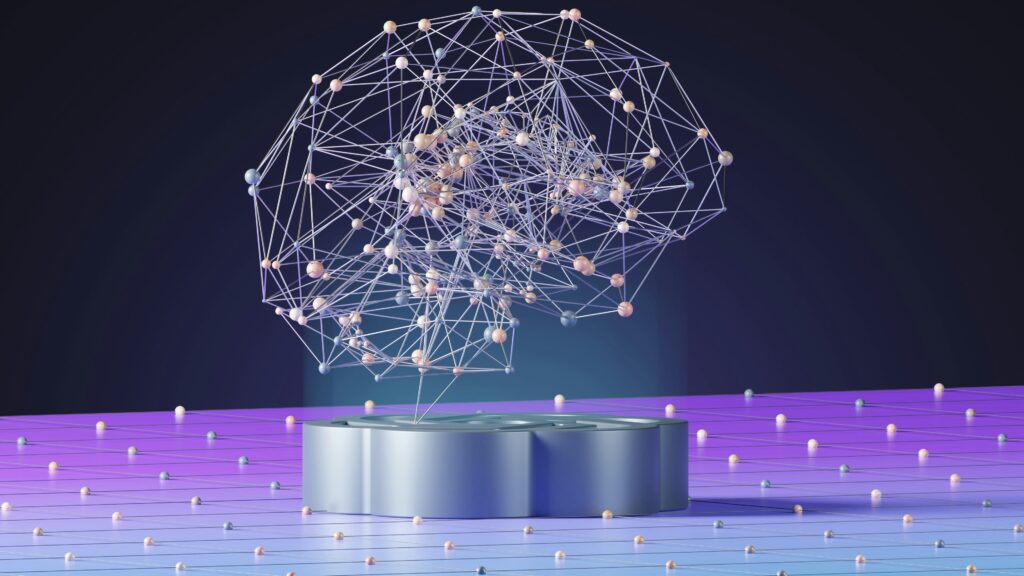
Neuroplasticity: Rewiring the Brain’s Pain Pathways
Understanding pain is the first step. The second is learning how to retrain the brain itself. This is where neuroplasticity-the brain’s ability to form new pathways-becomes the breakthrough.
Chronic pain often persists long after tissues have healed because the brain has learned an overprotective response. Think of a car alarm that keeps blaring even after the threat is gone. Every small “trigger” sets it off.
The good news:
The brain can learn to become safe again.
Neuroscience research shows that:
- Graded exposure to safe movement downregulates pain circuits.
- Visualization activates motor pathways similarly to real movement (Journal of Neurophysiology).
- Gentle sensory input changes how the brain interprets danger signals (Journal of Pain Research, 2020).
These aren’t theories. They’re methods I use with my private clients- championship athletes, CEOs, and individuals seeking world-class performance.
How to Start Rewiring Pain Today
1. Movement Reintroduction (Safety Signaling)
Choose one movement you’ve avoided due to pain or fear. Perform 5–10 slow reps at 50–70% of your comfortable range.
This teaches the brain: this is safe.
2. Visualization Priming
Spend 3–5 minutes mentally rehearsing the movement you fear.
Picture yourself moving smoothly, strongly, and without discomfort.
Visualization activates the same neural networks as physical repetition.
3. Graded Exposure Ladder
Break a challenging movement into 3–5 levels of difficulty.
Start at the easiest level and progress only when you feel confident.
This rebuilds trust-one safe step at a time.
4. Tissue and Sensory Recalibration
Use a foam roller, massage ball, or gentle tactile stimulation around sensitive areas for 2–3 minutes.
Pair with slow nasal breathing (inhale 4, exhale 6) to activate the parasympathetic nervous system.
These protocols work because they combine movement, sensory input, and nervous system regulation-the exact ingredients required to reshape pain pathways.
Why This Matters
In my practice, some of the most capable individuals I meet are sidelined not by structural injuries, but by misinterpreted protective pain patterns.
When you rewire these pathways:
- You regain freedom of movement.
- You build long-term resilience.
- You unlock higher levels of performance without fear.
This is the transition from managing symptoms to achieving performance mastery.
The Takeaway
Pain is not your enemy. It’s information-an intelligent system designed to protect you.
When you understand it, interpret it correctly, and retrain your brain through neuroplasticity, you don’t just reduce pain.
You elevate your entire performance trajectory.
This is the beginning.
Stay tuned for what comes next.
~Dr. Ryan Nordell